
DROWSE Andrew: His Story, Oxmo, and the Office Horror
Explore DROWSE Andrew, his bond with Oxmo, and the grief behind his late-night office nightmare. Get character insights and practical tips for the journey.
Jump to

Who Is Andrew in DROWSE?
A few photocopies sound harmless until the office starts changing around you. This DROWSE Andrew guide explains the grief behind that late-night errand, helping you connect the strange surroundings with the man experiencing them. At the center of the DROWSE Andrew story is the loss of Oxmo, his dog, whose absence has made everyday life increasingly difficult.
Andrew is the playable protagonist of DROWSE, a first-person psychological horror game set in the 1990s. His days revolve around work, while his apartment feels empty without Oxmo. When a female coworker calls asking for help with some documents, he returns to the office to collect them and make copies.
That small favor provides the starting point for a much more personal journey.
| Character detail | What it means for Andrew’s story |
|---|---|
| Role | Playable protagonist experienced through a first-person perspective |
| Everyday life | Work occupies his days, and routine is becoming harder |
| Central loss | His dog, Oxmo |
| Starting task | Return to the office for a coworker’s documents and photocopies |
| Setting | The 1990s, with familiar office equipment and personal belongings |
| Main themes | Grief, loneliness, memory, and moving forward |
Andrew’s circumstances give the horror an emotional foundation. Before the surroundings become distorted, he is already struggling with a familiar place: home. The apartment’s emptiness matters because it establishes what he carries into the office that night.
Keep that starting point in mind as you explore. A photograph or recorded message belongs to a life that existed before this errand. Paying attention to those details helps you understand Andrew beyond the immediate objective of finding whatever opens the next path.
Andrew and Oxmo: The Relationship Behind the Nightmare
Oxmo is Andrew’s dog, and Andrew is struggling with his loss. Their bond remains central as ordinary environments give way to distorted memories.
 Image: Steam / MILKY COCO GAMES
This relationship is the emotional core of the DROWSE Andrew story. The game connects the absence of a companion with the difficulty of continuing everyday routines. Andrew still goes to work. He still has an apartment. Those familiar structures remain, but getting through them has become harder.
The distinction matters when you encounter personal belongings. An object can carry practical information for a puzzle while also revealing something about Andrew’s past. DROWSE builds his story through photographs, documents, recorded messages, belongings, and encounters, allowing those fragments to sit alongside the immediate tasks.
Read Personal Details Alongside Puzzle Clues
When exploring the DROWSE Andrew story, give photographs and personal objects the same attention you give a potential code. Examine what they show, then consider how they relate to Andrew’s grief and the rooms around you.
Keep separate notes for practical clues and character details. That makes it easier to follow both sides of the game without reducing every discovery to something you must use.
For example, record a code clue under the object or location it concerns. Put a photograph’s personal details under Andrew or Oxmo. This is an organization tip for your own notes, not an additional game mechanic.
Some fragments of Andrew’s life are comforting; others are difficult for him to face. Let those different tones remain distinct. His relationship with Oxmo gives you a reason to care about the memories, while the shifting environments make encountering them unsettling.
The story’s focus on moving forward also gives the loss weight beyond the opening setup. Andrew’s late-night visit becomes a journey through familiar routines interrupted by memories he would rather leave behind.
Why Andrew Returns to the Office
Andrew goes back to work because a coworker needs a favor. The assignment is straightforward: retrieve her documents, make photocopies, and head home.
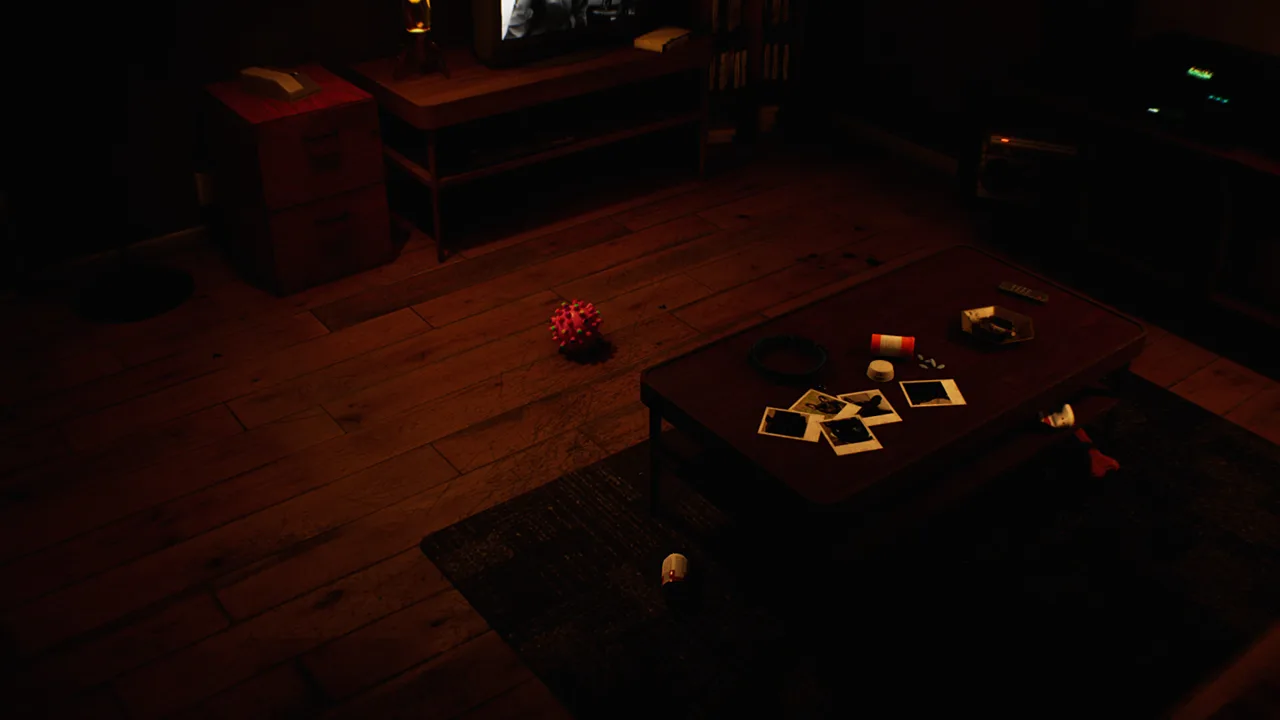 Image: Steam / MILKY COCO GAMES
DROWSE grounds that premise in everyday interactions. You turn on a computer, make coffee, find paper for the copier, and move through quiet offices and familiar rooms. These activities establish the ordinary evening that the horror gradually disrupts.
A ringing phone, an unexpected sound, or something that looks different from how Andrew remembers it interrupts that routine. As the evening continues, familiar places change and his surroundings become harder to understand.
For players following the DROWSE Andrew narrative, the office is an important connection between his daily life and his memories. Work fills his days before the nightmare begins. Returning there places him inside a routine he already knows, making changes to that routine central to the experience.
Follow the Task and Examine the Surroundings
Use the current objective to organize your search. If you need copier paper, inspect drawers and objects with that task in mind. Read the notes you encounter along the way, since documents also contribute to the story and puzzles.
When something changes, look closely at the affected area. Compare the room’s objects and layout with what you remember seeing earlier. The changing environments are part of the game’s psychological horror, so noticing them helps you follow the experience.
Listen carefully when phones ring or recorded messages play. DROWSE uses sound both to interrupt the evening and to deliver pieces of Andrew’s life.
Keep your attention on both the errand and the interruptions. The documents explain why Andrew came back; the disturbances lead you into the personal nightmare unfolding around him.
How to Uncover Andrew’s Story Through Exploration
DROWSE Andrew character details emerge through exploration. You search drawers, inspect belongings, read notes, listen to recordings, solve codes, and use discovered items to open the way forward.
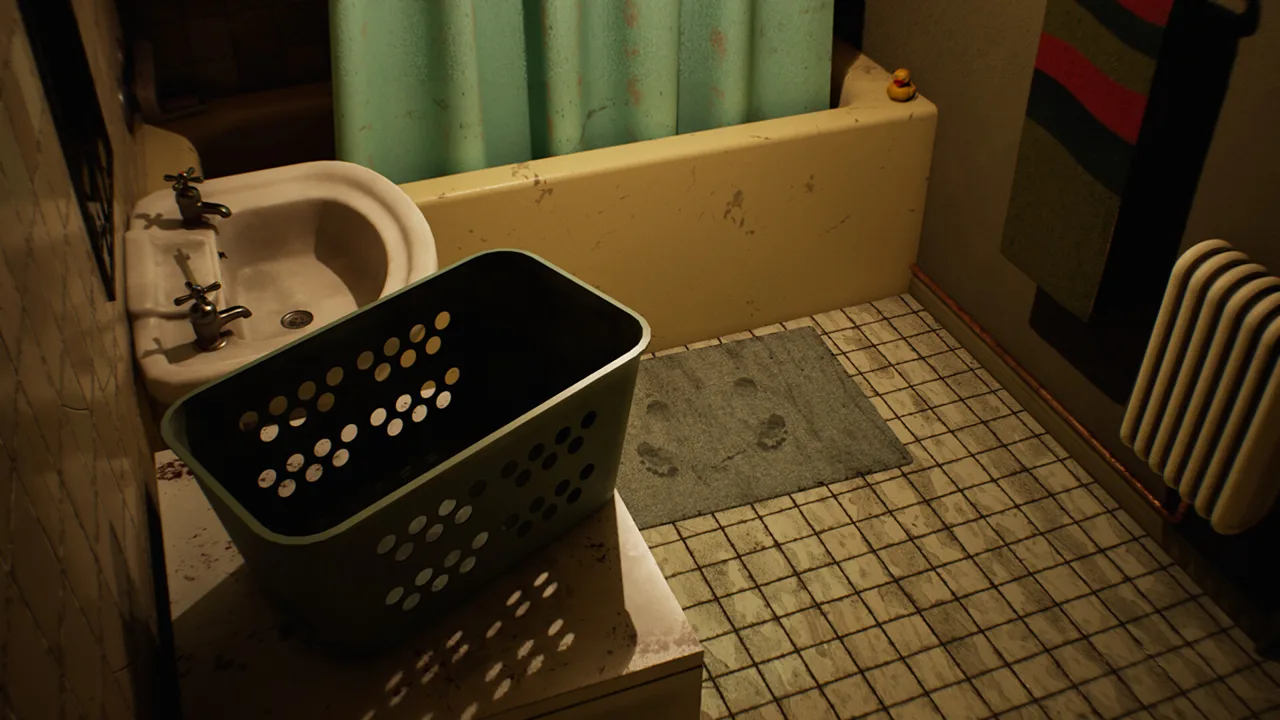 Image: Steam / MILKY COCO GAMES
These activities connect the character story with environmental puzzles. Following Andrew means handling the objects around him and reading the traces other people have left.
| What you encounter | How it contributes | Exploration tip |
|---|---|---|
| Documents and notes | Reveal story fragments and puzzle information | Read the full text before moving on |
| Photographs | Show pieces of Andrew’s personal life | Examine visible details alongside nearby belongings |
| Recorded messages | Deliver information through audio | Listen through the complete message |
| Drawers and objects | Support searching and hands-on interaction | Inspect accessible contents carefully |
| Codes and usable items | Help open the route forward | Match discoveries to the obstacle you are investigating |
Separate Information From Interpretation
Write down what a message actually says before deciding what it means. That habit is especially useful in a psychological horror game where memories intrude and surroundings change.
For a puzzle, preserve the wording of a clue in your notes. For the character story, record the object, person, or memory involved. You can then connect discoveries without losing the original detail beneath an early theory.
This keeps your understanding of Andrew tied to what you have encountered. His grief provides a clear emotional context, while individual objects and messages supply the smaller pieces.
Search Deliberately
Open drawers, examine belongings, and read the materials available in each area. DROWSE supports these interactions directly, so use them when investigating an obstacle or trying to understand a room.
If a puzzle has stopped you, review the information you have already collected. Check whether a note, recording, or item relates to the problem in front of you.
Avoid rushing past personal objects once you find a useful clue. The immediate reward is understanding how to proceed, but the surrounding details help explain whose memories you are moving through.
The DROWSE Andrew experience depends on that connection: practical investigation carries you forward while personal discoveries give the journey meaning.
Updates and Achievements Relevant to Andrew’s Journey
DROWSE launched on Windows PC on October 8, 2026. Early updates addressed progression problems and clarified several interactions, which matters when you are trying to follow Andrew’s story without getting distracted by a technical issue.
Version 1.01 fixed an apartment softlock that could prevent progress after the phone call. Version 1.02 improved message clarity and made several objects easier to interact with.
| Version | Change | Player relevance |
|---|---|---|
| 1.01 | Fixed the apartment softlock after the phone call | Addressed an obstacle early in Andrew’s journey |
| 1.01 | Added a missing name to an audio tape | Restored a detail in a recorded message |
| 1.02 | Clarified the office TV video message | Made that office information easier to understand |
| 1.02 | Improved interaction with the beeper in a drawer | Made the object easier to access |
| 1.02 | Added a beeper message about the medical key and upstairs operating room | Provided additional direction in the animal hospital |
| 1.02 | Clarified the animal hospital pills message | Made the relevant information clearer |
Update the game before starting a new playthrough, particularly if you encountered the apartment issue. In the animal hospital, read beeper messages and inspect the medicine cabinet carefully; version 1.02 specifically improved information and interactions in those areas.
DROWSE also has 12 Steam achievements. The achievement snapshot includes the following completion rates:
| Achievement | Global completion rate |
|---|---|
| New beginning | 45.0% |
| Oxmo | 23.3% |
| Most Valuable Employee | 13.3% |
| Forever, together | 10.0% |
| Mental Prison | 6.6% |
| The Mood Rat | 6.6% |
These percentages show how many players had earned each achievement at that snapshot. They are completion statistics, rather than instructions for unlocking them.
Keep the achievement names separate from your interpretation of Andrew’s story. Names such as “Oxmo” and “Forever, together” fit the game’s emotional territory, but the narrative itself unfolds through exploration, messages, and encounters.
You can get DROWSE for Windows PC on Steam. Once you begin, give the ordinary details room to register: the coworker’s request, the office equipment, and the personal belongings. They establish the life Andrew is trying to continue as memories intrude.
FAQ
Who is DROWSE Andrew?
Andrew is DROWSE’s playable protagonist. He is struggling with the loss of his dog, Oxmo, when a coworker’s request brings him back to the office late at night.
Who is Oxmo to Andrew?
Oxmo is Andrew’s dog. His loss has left Andrew lonely, and their bond remains central as the game explores grief, memories, and the struggle to move forward.
Why does Andrew go back to work at night?
A female coworker asks him to pick up her documents and make photocopies. That routine favor begins the office visit, which develops into a personal psychological nightmare.
What should I inspect to understand Andrew’s story?
Read documents and notes, examine photographs and personal belongings, and listen to recorded messages. Search drawers and inspect usable objects as well, since exploration supports both the story and environmental puzzles.
Continue with
 DROWSE Coworker: Her Favor and Andrew's Office ReturnThe DROWSE coworker calls Andrew back to the office for a copying favor. Explore her role, the opening tasks, and fixes that help you follow the story.
Popular pages
DROWSE Beginner Guide: Puzzle Tips for Your First Run
Use this DROWSE beginner guide to explore the office, solve environmental puzzles, understand patch fixes, and prepare for Andrew's unsettling night ahead.

DROWSE Release Date: Launch, PC Specs, and Updates
DROWSE release date was October 8, 2026. Explore its Windows PC launch, system requirements, early patches, and limited-time rewards before you start.
DROWSE Editions: Steam Release, Features, and Extras
Explore DROWSE editions, Steam launch details, PC requirements, accessibility features, updates, and the limited Rizmo skin before starting Andrew's story.
DROWSE Crossplay: Single-Player and Platform Details
DROWSE crossplay explained: explore its single-player format, Windows PC requirements, controller support, and Steam features before starting the story.
Join the community
Official channels for news, updates and player help: